




Cowley Centre donation and recycling options for removals
Posted on 28/04/2026
Cowley Centre donation and recycling options for removals: a practical guide for a cleaner, easier move
Moving house or clearing a property is easier when you decide early what will be reused, donated, recycled, or responsibly disposed of. That is especially true around Cowley Centre, where donation and recycling choices can make a big difference to both cost and convenience during removals. If you are sorting furniture, boxes, white goods, books, clothing, or general household items, a simple plan can save time, reduce waste, and stop perfectly usable items from ending up in a skip by default.
This guide explains how Cowley Centre donation and recycling options for removals work in practice, what to do before moving day, and how to avoid the common mistakes that create delays. It also includes useful local planning advice, internal resources for a smoother move, and a realistic step-by-step method you can follow whether you are clearing a flat, a family home, or a small office.
For readers who want a broader moving overview first, our services overview and removals Colindale pages are a useful place to start, especially if you are coordinating decluttering, transport, and final disposal at the same time.
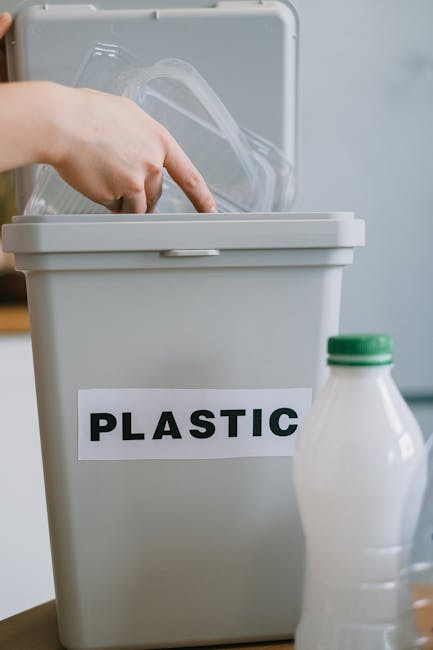
Why Cowley Centre donation and recycling options for removals Matters
Removals are rarely just about moving things from one address to another. In most real moves, there is a sorting stage in the middle: items you are keeping, items you can donate, items that should be recycled, and items that need specialist disposal. That middle stage matters because it affects your quote, your timetable, and how smoothly the move actually runs.
When you use donation and recycling routes properly, you reduce the amount that has to be carried, wrapped, loaded, and unloaded. That means fewer boxes, less van space, and less lifting on the day. It also helps if you are moving from a property near Cowley Centre where access may be tight or time windows are narrow. A smaller load is simply easier to manage.
There is also the practical side of doing the right thing with items that still have life left in them. A solid dining chair, a clean lamp, or a working kettle may be more useful to someone else than to a disposal route. And if an item cannot be donated, recycling it properly is usually preferable to treating everything as general waste.
For people who have not decluttered in a while, the process can feel a bit like an archaeological dig. You start with a cupboard and somehow end up holding three broken phone chargers and a stack of unexplained cables. It happens.
If you want help planning the move itself around your decluttering work, our guides on smart decluttering techniques and calming the moving process fit naturally with this topic.
How Cowley Centre donation and recycling options for removals Works
The basic process is straightforward, but the details matter. Most successful moves follow the same pattern: assess the items, separate them by category, decide where each category should go, and arrange transport or drop-off accordingly. The key is to do this before the removals team arrives, not halfway through loading.
In a practical sense, your options usually fall into five groups:
- Donate items that are clean, safe, and likely to be reused.
- Recycle materials that have a clear recycling route, such as cardboard, some metals, or certain electrical goods handled through approved channels.
- Reuse internally by keeping items for your next property, storage unit, or future sale.
- Dispose responsibly of broken, contaminated, or non-reusable items.
- Specialist handling for bulky, heavy, or awkward items such as mattresses, pianos, and appliances.
At Cowley Centre, the most useful approach is to think in terms of load planning. If an item will be donated, it may need to be kept separate, labelled, and left accessible for a collection or drop-off. Recyclables may need to be flattened, bagged, or bundled. Waste items may need to be listed for the removals team so they can advise on the safest handling method.
That is where a well-organised removal partner becomes useful. If you are dealing with larger or mixed loads, a service such as man with a van Colindale or furniture removals Colindale can help you separate the keep, donate, and recycle piles without making the day chaotic.
Another point worth stressing: donation and recycling are not the same thing. A shop-front charity, collection point, or community reuse scheme will generally want items in a reusable condition. Recycling centres or borough recycling services may accept materials that are no longer reusable but still recoverable. Mixing the two up can waste time, so it pays to check each route carefully before you load the van.
Key Benefits and Practical Advantages
Using donation and recycling options well is not just a feel-good extra. It brings very concrete benefits during removals.
1. Lower removal volume
The less you carry, the simpler the move. Fewer items usually means fewer boxes, less wrapping material, and less time spent loading and unloading. That can make a noticeable difference if you are paying by vehicle size or time.
2. Better space planning
Moves often become difficult because items do not fit neatly together. Removing unwanted furniture or excess packaging before move day frees up space for the things that truly matter. It also helps with access in narrow hallways, stairwells, and flats.
3. Less waste sent to landfill
Responsible recycling and reuse are generally preferable to throwing everything away. Even when items cannot be donated, many parts of the load can still be handled more sustainably.
4. Cleaner handover of the property
If you are moving out, an empty, sorted property is easier to clean and inspect. That matters for end-of-tenancy standards and for reducing the chance of leaving stray items behind.
5. A more predictable moving day
Once decisions are made in advance, the removals team can work more efficiently. This is often the difference between a well-paced move and one where everyone is improvising at the door.
Practical summary: the best donation and recycling plan is the one that is decided early, labelled clearly, and matched to the actual condition of the items. That simple discipline saves more stress than most people expect.
If storage is part of your plan while you sort through items, you may also find storage Colindale useful alongside packing and boxes Colindale for organising what stays, what goes, and what waits for a second decision.
Who This Is For and When It Makes Sense
This approach is useful for almost anyone moving in or around Cowley, but it is especially valuable in a few common situations.
- Families downsizing and needing to separate sentimental items from practical excess.
- Tenants moving out who want a tidy, fully cleared property.
- Students leaving accommodation with furniture, cookware, and small electronics to sort.
- Homeowners renovating and wanting to clear rooms before work starts.
- Small businesses replacing office furniture, archive boxes, or redundant equipment.
- People with limited access who need to minimise the number of trips, lifts, and turnaround time.
It also makes sense when you are short on time. If your move date is fixed and you cannot deal with every unwanted item yourself, a clear donation and recycling plan gives you a realistic way to move forward without cutting corners.
For tighter residential moves, our flat removals Colindale page is relevant, and if you need a fast turnaround, same day removals Colindale may also be worth reviewing.
It is also sensible if you are moving bulky items like wardrobes, mattresses, or upright instruments. Those objects are awkward enough on their own; there is no benefit in taking them to the new property if you do not actually need them.
Step-by-Step Guidance
Here is a practical method you can use to organise donation and recycling during removals around Cowley Centre.
- Start with a room-by-room sort. Work one room at a time so you do not end up shuffling the same items around the house all day.
- Create four clear categories. Keep, donate, recycle, dispose. If needed, add a fifth category for specialist items.
- Check item condition honestly. If something is broken, stained, incomplete, or unsafe, it usually should not be donated. Be realistic here.
- Separate reusable from recyclable materials. Cardboard, metal, textiles, and some electrical items may need different handling. Do not assume one route fits all.
- Measure bulky items. Large furniture may need disassembly or special loading. If you are undecided, check with the removals team before move day.
- Book donation drop-off or collection early. Donor-friendly organisations often need advance notice, and collection slots can fill up quickly.
- Prepare recycling materials properly. Flatten boxes, empty containers, and remove obvious contamination where appropriate.
- Label everything clearly. Use bold labels or coloured tape so no one accidentally loads a donate item into the waste pile.
- Tell the removal team what is leaving the property. A good team can plan the loading order and protect fragile items more effectively if they know the full picture.
- Do one last sweep before departure. Check cupboards, loft spaces, under beds, and behind appliances. These are the places where move-day surprises hide.
If you are still building confidence with the practical side of moving, the following articles may help: packing for a smoother house move, cleaning before you move out, and safer solo heavy lifting techniques.
Expert Tips for Better Results
A few small habits make the whole process much more efficient.
Keep donation items separate from day one
Once donation items are mixed with rubbish or packing waste, they tend to stay mixed. Put a labelled bag, box, or corner in place early and keep it sacred.
Photograph valuable items before handing them over
If you are donating furniture or equipment, a quick photo can help you keep track of what left the property. It also gives you a record in case you need to reference item condition later.
Choose quality over haste
It is tempting to donate anything that looks vaguely usable. Resist that. Donating broken or unsuitable items creates more work for charities and community groups, not less.
Use the move as a reset, not just a transport job
Most people own a surprising amount of duplicate stuff. Moving is the ideal moment to cut that down and start fresh. One lamp, two phone chargers, maybe one spare frying pan. You know the pattern.
Plan around access and timing
If a donation collection or recycling drop-off has a time window, make sure it does not clash with the removals team or building access restrictions. The small print matters more than people like to admit.
Ask about specialist handling for awkward items
Mattresses, sofas, white goods, and pianos can require more planning than a normal box load. If you are dealing with any of those, our dedicated guides such as moving a bed and mattress and professional piano moving can help you anticipate the work involved.
Common Mistakes to Avoid
People usually run into problems with donation and recycling because they leave the planning too late. But there are a few specific mistakes that come up again and again.
- Assuming every charity accepts every item. Many organisations are selective for good reason. Always check first.
- Leaving it all for the moving day itself. By then, the focus should be on safe loading and transport, not debating whether a broken bedside cabinet has a second life.
- Not checking item condition. A donation route should not become a disguise for disposal.
- Failing to label boxes properly. A box marked "misc" is not very helpful when three people are moving at once.
- Ignoring heavy or unsafe items. Some objects are not worth moving, and some are not safe to move without the right equipment.
- Forgetting about electricals and batteries. These often need separate handling and should not be mixed blindly with general waste.
- Overstuffing the van with "just in case" items. If you have not needed it in the last few years, move it only if you genuinely intend to use it.
One of the simplest ways to avoid these mistakes is to work backwards from move day. Ask: what needs to be gone, by when, and through which route? That question clears up a lot of confusion very quickly.
Tools, Resources and Recommendations
You do not need a warehouse system to manage a move properly, but a few simple tools make the process much cleaner.
- Strong marker pens for clear labels.
- Colour-coded tape to identify donate, recycle, keep, and dispose categories.
- Sturdy sacks and boxes for sorting mixed household items.
- Basic hand tools for dismantling furniture where appropriate.
- Measuring tape to confirm whether bulky items will fit through doors or into the van.
- Phone camera for quick item records and condition checks.
For move planning and general support, these pages are especially useful: pricing and quotes if you want to understand the likely cost structure, man and van Colindale for smaller or more flexible jobs, and house removals Colindale for full-property moves.
If you need broader background on responsible moving and company values, our recycling and sustainability, insurance and safety, and about us pages are useful supporting resources.
Law, Compliance, Standards, or Best Practice
When you are moving waste, donation goods, or recyclable materials, it is wise to follow responsible UK best practice rather than guessing. The exact rules vary depending on the item type, the destination, and whether a charity, local authority, or specialist recycler is involved.
As a general principle, you should only donate items that are safe, clean, and honestly reusable. If something is broken, contaminated, or unsafe, it should not be presented as a donation. Likewise, electrical goods, batteries, and certain bulky items may need specific handling routes. If you are unsure, ask the receiving organisation or check with a reputable removal provider before loading anything.
For removals teams, good practice usually means clear item separation, careful lifting, appropriate vehicle loading, and honest advice about what can be transported safely. That is why professional teams spend time on planning rather than just turning up with a van and hoping for the best. There is nothing glamorous about sorting a wobbly wardrobe at the kerb.
Where commercial waste or office furniture is involved, keep records of what has been removed and where it is going. For business clients, traceability and clear handover are simply part of acting responsibly.
If you need a team that treats the move carefully from the start, our removal services Colindale and removal companies Colindale pages provide a helpful overview of service scope and standards.
Options, Methods, or Comparison Table
Below is a simple comparison to help you choose the right route for different item types during removals.
| Option | Best for | Typical advantage | Watch out for |
|---|---|---|---|
| Donation | Clean, reusable furniture, homeware, clothing, books | Gives items a second life and reduces waste | Not all organisations accept large, worn, or incomplete items |
| Recycling | Cardboard, metals, some electricals, packaging material | Helps recover materials that still have value | Items may need sorting or special handling |
| Reuse at the new property | Useful items you definitely need again | Avoids unnecessary buying and transport | Do not keep "maybe" items that will just create clutter |
| Specialist disposal | Damaged, bulky, or regulated items | Safer and more appropriate for awkward objects | May involve additional planning or cost |
A sensible rule of thumb is this: if someone else could safely use the item now, donation is worth considering. If the item still contains recoverable material but is no longer reusable, recycling may be the better route. If it is unsafe, dirty, or structurally failed, specialist disposal is usually the honest choice.
Case Study or Real-World Example
Imagine a two-bedroom flat near Cowley Centre. The occupants are moving to a smaller property and have identified one sofa, a coffee table, several boxes of books, two lamps, a broken chest of drawers, a microwave, and a pile of mixed cardboard packaging.
Instead of packing everything together and dealing with it later, they sort the items into categories the week before the move:
- The sofa, lamps, and coffee table are assessed for donation and kept separate.
- The books are boxed for either donation or direct reuse.
- The broken drawer unit is marked for specialist disposal.
- The microwave is checked to see whether it should be recycled through the right electrical route.
- The cardboard is flattened and grouped for recycling.
By the time the removals team arrives, the flat is already easier to work in. The load takes less time, the van is used more efficiently, and the occupants do not have to make last-minute decisions while standing in the doorway. More importantly, the moving day feels orderly rather than rushed.
That is the real value of good planning: not perfection, just fewer problems at the point when everybody is busy.
Practical Checklist
Use this checklist before your move if you want your donation and recycling plan to hold together on the day.
- Sort every room into keep, donate, recycle, dispose, and specialist categories.
- Check the condition of each item honestly.
- Confirm what local donation points or collection services will accept.
- Flatten cardboard and separate obvious recyclables.
- Label all boxes and bags clearly.
- Measure bulky items before move day.
- Tell your removals team which items are leaving the property.
- Arrange collection or drop-off times in advance.
- Set aside batteries, electricals, and awkward items for separate handling.
- Do a final sweep of cupboards, lofts, sheds, and behind furniture.
Good reminder: the aim is not to create more sorting work on move day. The aim is to make move day calm enough that no one has to think twice about where the kettle goes.
If you are in the middle of planning a local move and want support from a team that understands the full process, from decluttering to transport, you can also review contact options to discuss your needs directly.
Conclusion
Cowley Centre donation and recycling options for removals are most effective when they are treated as part of the move, not as an afterthought. Once you separate reusable items from recyclable materials and hard waste, the whole process becomes cleaner, cheaper to manage, and far less stressful.
Whether you are moving out of a flat, downsizing a family home, or clearing an office, the principle stays the same: decide early, label clearly, and choose the right route for each item. That approach protects your time, helps reduce waste, and makes the final handover much smoother.
If you want a move that is organised from start to finish, it is worth combining donation planning with a reliable removal service, sensible packing, and a clear disposal plan. That way, the move feels like a proper transition rather than a pile of decisions you have to make in a hurry.
Get a free quote today and see how much you can save.