






Oxford City Council rules for Cowley bulky waste removals
Posted on 26/06/2026
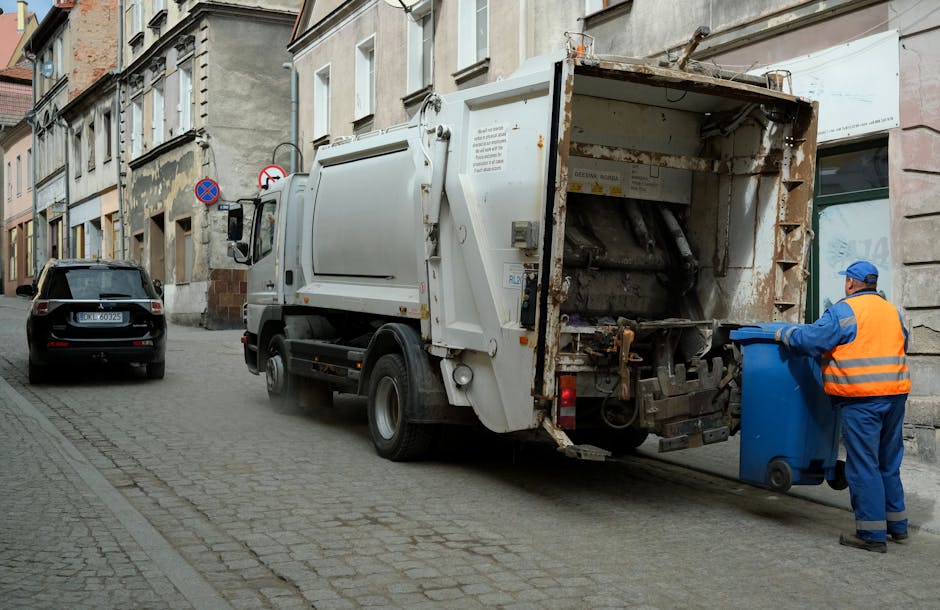
Oxford City Council rules for Cowley bulky waste removals: a practical local guide
If you are trying to clear an old sofa, a broken wardrobe, or a bulky mattress in Cowley, the rules can feel oddly specific. One minute you are just tidying up, the next you are wondering what Oxford City Council will accept, what needs booking, and whether you can simply leave something on the pavement. Truth be told, that last part is where people get into trouble most often.
This guide explains Oxford City Council rules for Cowley bulky waste removals in plain English. You will learn how the process usually works, what tends to be accepted, where the common mistakes are, and how to decide whether council collection, donation, recycling, or a private removal service makes the most sense. If you are also planning a bigger clear-out, it may help to look at practical decluttering advice for a smoother move and local donation and recycling options in Cowley.
Why Oxford City Council rules for Cowley bulky waste removals Matters
Bulky waste is not the same as normal household rubbish. That sounds obvious, but in practice it catches people out all the time. A broken bed base, an old freezer, a worn-out armchair, or a stack of shelving can be too large for standard bins, and the council may treat them as a separate collection category. If you miss the rules, the result is usually delay, extra hassle, or a messy item sitting around for far longer than planned.
For Cowley residents, the issue matters even more because homes and flats in the area often have tight access, shared walkways, limited storage space, and busy kerbside conditions. That can make simply moving an item outside more awkward than it first seems. A bulky waste plan helps you avoid blocked entrances, neighbour complaints, and last-minute lift-or-carry headaches. Let's face it, nobody wants to wrestle a sofa down narrow stairs at 8 a.m. on a damp Oxford morning.
It also matters because bulky items can contain recyclable materials, reusable parts, or hazardous components. An old fridge, for example, is not just "big rubbish". It may need special handling due to refrigerant gases and electrical components. Likewise, a mattress or upholstered chair may be suitable for reuse in some circumstances, but not in others. Knowing the local route helps you choose the right disposal path rather than defaulting to the easiest-looking one.
There is a trust angle too. When you use a proper council route or a reputable removal service, you reduce the risk of fly-tipping, improper dumping, or hidden charges. If you are comparing options, the service overview at removal services in Cowley can be a useful starting point, especially if your bulky waste is part of a larger home clearance.
Key takeaway: the rules matter because they affect what can be collected, how safely it should be prepared, and whether your bulky item ends up recycled, reused, or just becomes a problem for you later.
How Oxford City Council rules for Cowley bulky waste removals Works
In broad terms, council bulky waste collection is designed for large household items that cannot be taken away through ordinary refuse services. The exact booking steps, item limits, and charges can change, so the safest approach is always to check the council's current guidance before you arrange anything. That said, the underlying process usually follows the same pattern.
1. Identify the items
Start by listing everything you want removed. Split it into categories: furniture, white goods, electricals, mattresses, metal items, garden objects, and anything that may be reusable or difficult to handle. This matters because councils may treat different materials differently. A wooden table is not the same as a fridge, and a broken chest of drawers is not the same as a bagged set of loose household items.
2. Check eligibility
Some items are generally suitable for bulky collection, while others may be excluded or require alternative disposal. Typical examples that may be accepted include sofas, beds, wardrobes, chairs, tables, and some domestic appliances. Items containing gas bottles, chemicals, construction waste, or trade waste are usually handled elsewhere. If your clear-out mixes household clutter with renovation debris, you may need a different route entirely.
3. Book the collection
Council bulky waste collections usually need to be arranged in advance. You may be asked to choose a time slot, provide item details, and leave the items in an agreed collection point. In Cowley, that collection point is often the real issue. If you live in a flat above a shop, on a tight terrace, or in a road with limited pavement space, you may need to think carefully about where the items can safely wait for pickup.
4. Prepare the items correctly
Preparation is where the whole thing either goes smoothly or becomes one of those small domestic disasters nobody talks about. Items may need to be emptied, dismantled, or separated from loose parts. Drawers should be checked, glass removed where practical, and sharp edges made safe. If you are dealing with furniture as part of a move, the article on packing properly when you move can help you think through what should be boxed, labelled, or taken apart first.
5. Put it out on time
This is the bit many people underestimate. If the council gives guidance on when items should be placed outside, follow it closely. Leaving bulky waste out too early can create obstruction, attract interference, or even breach local rules. Leaving it too late can mean a missed collection. Either way, you may be stuck with the item for another round.
6. Make a backup plan
Sometimes a collection fails because access is blocked, the item is too heavy, or the item is not ready. A sensible backup is useful. For example, if a sofa cannot be collected from the front path because the access is too narrow, a private man and van service may be better suited. If you need help moving large pieces before disposal, man with a van in Cowley or local removal services can be a practical fallback.
Key Benefits and Practical Advantages
Following the proper bulky waste route is not just about ticking a box. There are practical gains that show up immediately, and a few that only become obvious later.
- Cleaner kerbside handling: you avoid cluttering entrances, stairwells, and shared areas.
- Less stress: there is a clear process instead of an improvised last-minute lift-and-dump job.
- Better environmental outcomes: reusable or recyclable items are more likely to be sorted properly.
- Safer handling: large awkward items can be moved with fewer risks of injury or damage.
- Lower chance of complaints: neighbours and building managers tend to appreciate a tidy, well-timed collection.
There is also a cost-control angle. Sometimes the council route is the most economical option for a single item or a modest set of bulky pieces. But if you have multiple rooms of furniture, or the item has to be carried down stairs, through a courtyard, and into a vehicle, then a private service can actually offer better value because the labour and access are bundled into one plan. That is where a quick comparison really helps.
Many people in Cowley are not clearing one item. They are dealing with the end of a tenancy, a family bereavement, student move-out, or a rushed flat change. In those cases, bulky waste removals are part of a bigger tidy-up, and the benefit comes from reducing moving-day friction. If that sounds familiar, a guide like detailed cleanup before leaving your house can make the process feel more manageable.
Who This Is For and When It Makes Sense
This topic is for anyone in Cowley who has a large item that cannot simply go in the bin. That includes homeowners, tenants, landlords, students, letting agents, and anyone preparing for a house move or property clear-out. It also covers people who are not sure whether an item should go through the council, be donated, or be moved privately for disposal.
It makes sense to use the council route when you have one or two bulky items, when the items meet the collection criteria, and when you are not in a rush. It is also sensible if you want an officially managed disposal option and your property access is straightforward. If you live in a ground-floor house with a clear front path, the process is usually much easier than it is for someone on a fourth-floor flat with a shared stairwell and no lift. Cowley has a fair mix of both, which is why generic advice often falls short.
It makes less sense when you have:
- a whole room of furniture to clear
- heavy or awkward items that require two-person handling
- mixed waste from moving, storage, or renovation
- tight access, long carries, or parking restrictions
- a deadline tied to handover, inventory checks, or lease conditions
In those situations, people often combine a council collection with a private clear-out. For example, keep reusable pieces aside for donation, arrange a removal van for the heavy loads, and use the council route for the item that is too awkward to donate. That kind of split strategy is common, and honestly, it usually works better than forcing one method to do everything.
Step-by-Step Guidance
Here is the simple version, without the waffle.
- Sort the items. Separate furniture, electricals, mattresses, and loose junk. If you cannot describe an item clearly, it is probably worth checking whether it has special handling needs.
- Check what can be collected. Councils often exclude trade waste, hazardous material, and certain construction items. Do not assume that "big" automatically means "acceptable".
- Measure access points. Doors, stairwells, hallways, and gates matter. A sofa that is technically removable can still be impossible to manoeuvre without careful planning.
- Decide whether dismantling helps. Beds, wardrobes, and shelving often become much easier to handle if they are taken apart in advance. If you are dismantling bedroom furniture, the article on moving your bed and mattress may give you a useful head start.
- Book the collection. Leave enough time for any required notice period. Last-minute panic is rarely a good strategy here.
- Prepare the load. Remove contents, tape loose doors if needed, and make sharp or fragile parts safer.
- Choose the collection spot. Keep it out of the way, but still accessible. Think about pedestrians, neighbours, and visibility.
- Confirm the timing. Put the item out only when instructed. If you are unsure, err on the side of caution rather than guessing.
- Have a fallback. If the council cannot complete the collection, arrange an alternative swiftly so the item does not sit there for days.
Small detail, big difference: if a bulky item is connected to a broader clear-out, do the decluttering first. Once a room starts filling with half-packed boxes and split furniture, the whole place feels messier than it is. A calmer sequence helps. The guide on achieving serenity in house relocation is surprisingly handy for that kind of mental reset.
Expert Tips for Better Results
After enough clear-outs, a few practical habits keep showing up.
Keep the collection point boring and simple
The best collection point is not glamorous. It is just obvious, safe, and easy to reach. Do not hide items behind planters, bicycles, recycling boxes, or a stack of bags that will slide over in the wind. A clean, direct spot reduces confusion and makes it easier for the crew to work quickly.
Use donation as a first filter
If a wardrobe, chair, or table is still usable, think about donation before disposal. Even a slightly scuffed item can sometimes be repurposed. For Cowley clear-outs, it is worth checking the donation-and-recycling angle early rather than at the last minute. That is especially true when you are trying to keep waste volumes down.
Remove personal items before the item leaves
This sounds obvious, but it happens. People leave paperwork in drawer backs, tools in side panels, or fridge magnets with old notes attached. Once the item is gone, that little "oh no" moment is not fun. Take one extra minute and check every compartment.
Think about weather and timing
Oxford weather can be a nuisance. A damp morning, a windy evening, or a frosty pavement changes what is safe. If you need to move an item outside before collection, keep an eye on the conditions and avoid leaving soft furnishings exposed for longer than needed. A sofa that has been sat under drizzle for two hours is not a good look.
Use the right support for heavier items
If the item is too heavy, too bulky, or awkward to grip, get help. There is no medal for trying to carry a wardrobe alone while muttering under your breath. If you need extra handling support, the page on insurance and safety explains the kind of care a professional service should take seriously.

Common Mistakes to Avoid
Most bulky waste problems are avoidable. Here are the repeat offenders.
- Leaving items out too early. This can obstruct access or breach local instructions.
- Forgetting to check collection rules. Not all large items qualify, and not all require the same treatment.
- Misjudging access. A flat entrance, alley, or courtyard may be harder to work with than expected.
- Not separating reusable items. You may be throwing away something that could be donated or sold.
- Failing to empty items. Cabinets, drawers, and appliances should be checked thoroughly.
- Assuming someone else will move it. A collection often expects you to present items in a clear way.
One common mistake in Cowley is underestimating parking and access. The road might look manageable at 7 p.m., then a van, bin lorry, or delivery truck appears and the whole plan becomes awkward. If tight access is an issue, the local guidance on removals for narrow lanes and courts is relevant even when the job is bulky waste rather than a house move.
Another one? Trying to dispose of everything in one go without any sorting. It feels efficient, but usually it just creates a bigger pile and more uncertainty. Slow it down a bit. You will save time overall, honestly.
Tools, Resources and Recommendations
You do not need fancy equipment, just a few sensible basics.
- Measuring tape: useful for doors, stairwells, and item dimensions.
- Marker pen and labels: helpful if you are separating donation, disposal, and keep piles.
- Work gloves: especially for rough timber, sharp edges, or dusty storage items.
- Basic screwdriver or Allen key set: ideal for dismantling beds, tables, or shelving.
- Dust sheets or old blankets: useful when moving furniture through shared spaces.
- Phone checklist: a simple note on your phone can stop you forgetting key steps.
For related moving support, the following pages may be useful depending on what you are dealing with: packing and boxes in Cowley for sorting and labelling, storage in Cowley if you need to hold items temporarily, and recycling and sustainability if your focus is on disposal with a lighter environmental footprint.
If the bulky waste is part of a larger move, you may also want to read how to avoid hidden charges with Cowley removals companies. That matters more than people think, especially when several services are involved and you are already juggling dates.
Law, Compliance, Standards, or Best Practice
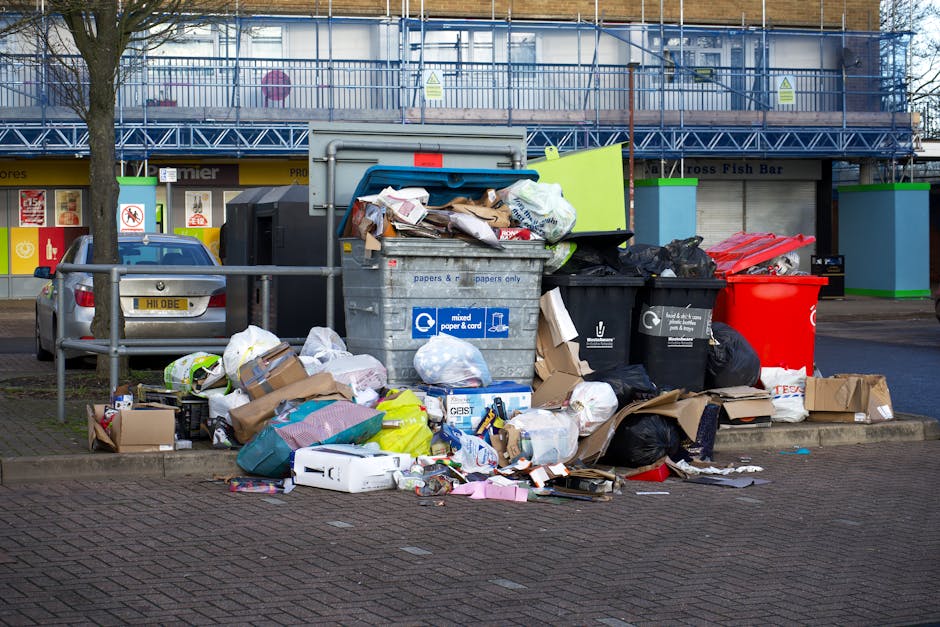
With bulky waste, the main compliance point is simple: do not dump items illegally, and do not assume that putting something on the street automatically makes it the council's responsibility. In the UK, waste handling carries responsibilities for households as well as businesses, and improper disposal can create problems if your waste ends up fly-tipped. Even if you are just clearing out a flat, the sensible standard is to use a legitimate route and keep a record of what was taken if there is any doubt.
Best practice also includes duty of care thinking. That means making a reasonable effort to separate reusables, recyclables, and true waste; avoiding contamination; and using a service that handles items safely and lawfully. If you are a landlord or letting agent, this becomes more important because you are often responsible for an orderly end-of-tenancy process. In those cases, a clear handover record and photos before collection can save a lot of later disagreement.
For businesses in Cowley, office furniture, filing cabinets, and old IT equipment may involve additional care. Office clearances should be planned differently from domestic clear-outs, and if the schedule is tight the page on office removals in Cowley is a more relevant route than a standard household mindset. Not everything large is just "bulky waste"; some of it is commercial equipment, and that distinction matters.
If you are unsure whether an item falls under council collection or should be treated as special waste, pause and check rather than guessing. A quick delay is better than an avoidable compliance issue. That is probably the least glamorous advice in the article, but it is the one people thank you for later.
Options, Methods, or Comparison Table
When choosing how to remove bulky waste in Cowley, most people end up weighing three main options: council collection, donation/reuse, or a private removal service. Each one has its place.
| Option | Best for | Pros | Watch-outs |
|---|---|---|---|
| Council bulky waste collection | One-off large household items | Simple, local, often cost-effective | Booking rules, item restrictions, access limits |
| Donation or reuse | Usable furniture and household pieces | Lower waste, helpful to others | Condition needs to be acceptable, timing can vary |
| Private removal service | Multiple items, tight deadlines, difficult access | Flexible, labour included, good for heavier jobs | Cost depends on load, access, and service level |
As a rule of thumb, council collection suits smaller jobs. Donation suits good-condition items. Private removal suits anything that is awkward, urgent, or tied to a wider move. If your waste is bundled with relocation, then a service like removals in Cowley or house removals in Cowley may be the cleaner answer, because the same team can manage lifting, loading, and disposal planning together.
One tiny but important note: the cheapest-looking option is not always the cheapest outcome. If you need to hire a van later, rebook a collection, or pay for emergency labour because the items were not ready, the total can creep up. That happens. More than people admit.
Case Study or Real-World Example
Here is a very ordinary Cowley scenario. A tenant in a first-floor flat needs to move out on Friday. There is an old sofa, a disassembled bed frame, a broken desk, and a small freezer that is no longer working. At first, the plan is to "just leave the stuff for collection". But the stairwell is narrow, the street parking is tight, and the freezer needs more careful handling than the sofa.
Instead of one rushed decision, the tenant breaks the job into parts. The reusable desk chair is set aside for donation. The bed frame is dismantled before moving day. The sofa is checked against the collection rules and booked properly. The freezer is handled separately because it is an electrical item and needs careful placement and safe movement. In the end, the flat is cleared on time, the items are removed without blocking the hallway, and there is no frantic lift down three flights of stairs at the last minute.
That kind of split approach is common in Cowley, especially in student flats and older terraces. If your own situation is similar, the advice in student removals in Cowley may be surprisingly relevant, even if you are not a student anymore. The access issues and timing pressures often look the same.
It is rarely the one giant problem that causes stress. It is the pile-up of small ones. A lost booking note, a wet mattress, a blocked path, a missing screwdriver - all tiny, all annoying.
Practical Checklist
Use this quick checklist before your bulky waste collection or private removal.
- List every item clearly
- Check whether each item is eligible for council collection
- Decide what can be donated or reused
- Measure doors, stairwells, and access routes
- Dismantle furniture where practical
- Remove all contents from drawers, cupboards, and appliances
- Protect sharp edges and fragile surfaces
- Confirm the collection time and placement instructions
- Keep the path clear for neighbours and crews
- Have a backup plan if access or timing changes
If you are pairing disposal with a move, it may also help to review what to know about removals booking delays in Cowley so you are not caught out by timetable changes. A ten-minute read can save a lot of chasing later on.
Get a free quote today and see how much you can save.
Conclusion
Oxford City Council rules for Cowley bulky waste removals are really about one thing: making sure large items are handled in the right way, at the right time, and with as little disruption as possible. When you understand the basics, the whole job becomes less intimidating. You stop guessing. You stop leaving things to chance. And you make better decisions about what to keep, donate, recycle, or remove.
For a single item, the council route may be enough. For mixed loads, awkward access, or tight move-out deadlines, a more flexible removal service can be the smarter option. Either way, a little planning goes a long way. That is often the difference between a smooth clear-out and a stressful one that drags on for days.
And if you are staring at a sofa in the corner right now, wondering how it turned into such a project... yes, we have all been there.

