




Permits and parking rules for Cowley van removals
Posted on 06/07/2026
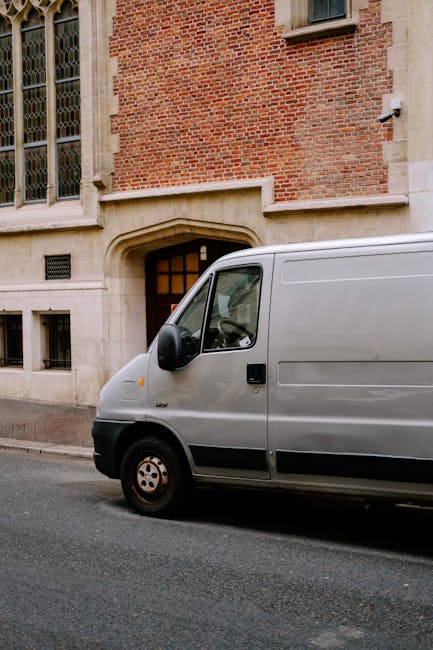
Parking can make or break a move. In Cowley, where side streets can be tight, bays fill quickly, and access near flats is often limited, a van removal is rarely just about lifting boxes and loading furniture. The real headache is often the space outside the property. Get the parking wrong and you can lose time, run into fines, frustrate neighbours, or end up carrying a sofa further than anyone wants on moving day.
This guide explains Permits and parking rules for Cowley van removals in plain English. You will learn when a permit may be needed, how loading and waiting restrictions usually affect removals, what to check before the van arrives, and how to avoid the common mistakes that turn a simple move into a stressful one. If you are planning a flat move, house move, or office relocation in the area, this is the bit that saves you a lot of faff later.
For a broader look at moving help in the area, you may also find our services overview useful, especially if you are comparing different moving options or planning around tight access.
Why Permits and parking rules for Cowley van removals Matters
On moving day, parking is not a background detail. It is one of the main operational decisions. A removal van needs enough space to stop safely, enough room to open doors, and a sensible route from the property to the vehicle. In Cowley, that can be harder than it looks. Some streets are narrow, some bays are shared, and some buildings have awkward entrances where a van cannot simply pull up and sit there all afternoon.
The reason this matters is simple: every extra minute spent hunting for parking eats into the move. The team has to walk farther, manoeuvre around obstacles, and often do more trips. That means slower loading, more fatigue, and a higher chance of something being damaged or dropped. Nobody wants to hear a radiator or a wardrobe base scraping on the pavement at eight in the morning. Truth be told, that sound stays with you.
There is also the compliance side. If a vehicle is parked where it should not be, or without the right permission in a restricted place, there can be enforcement action. Even when a penalty is unlikely, the disruption alone is enough reason to plan properly. That is why local parking checks are a normal part of professional removals in Cowley, not an optional extra.
For moves involving flats, the issue tends to be even more noticeable. Stairwells, communal entrances, and shared parking bays mean timing has to be sharper. If your move includes a few bulky items, our guide to flat removals in Cowley can help you think through the access side as well.
How Permits and parking rules for Cowley van removals Works
Parking rules for removals usually come down to three things: where the van can stop, how long it can stay there, and whether the area needs prior permission. The exact rules depend on the street, the type of bay, the time of day, and whether any local restrictions are in force. In practice, that means the first step is not loading the van. It is checking the parking situation outside the property before the move starts.
In many cases, a removal team may be able to use a loading bay, visitor space, driveway, or a short-term stopping area. In other situations, you may need to arrange parking suspension, a permit, or another form of temporary access arrangement. Some streets may have yellow lines or timed restrictions that still allow loading for a limited period, while others are far less forgiving. The key is not to assume. A van is big. Councils tend to notice when one appears in the wrong place.
A practical approach is to think in layers:
- Property access: can the van get close enough to the entrance?
- Stopping space: is there a legal place to load and unload?
- Duration: will the van need to remain there while the team carries items?
- Obstructions: are there bins, roadworks, low branches, or parked cars in the way?
The other piece of the puzzle is timing. If your removal is early morning, school-run traffic or commuter parking can make a street feel twice as cramped. Midday can be calmer in some places, busier in others. A quick street check the day before often tells you more than any vague guess ever will.
If you are moving with limited time, same-day removals in Cowley can still work, but parking planning becomes even more important because there is less room for error.
Key Benefits and Practical Advantages
Good parking planning does more than reduce stress. It improves the whole move. You notice it in small ways first: less back-and-forth, fewer awkward pauses, and no one standing around with a table leg in their hands wondering where the van went. Then the bigger benefits show up.
- Faster loading and unloading: the closer the van is, the less time is wasted carrying items.
- Lower risk of damage: shorter carry distances mean fewer bumps, scrapes, and drops.
- Better safety: clear access reduces trips, twisting, and rushing in busy streets.
- Fewer delays: a planned parking spot keeps the move on schedule.
- Less neighbour friction: fewer blocked driveways, fewer awkward conversations, fewer complaints.
There is also a commercial advantage if you are comparing removal options. A team that understands parking and permit requirements is usually better prepared overall. They tend to ask better questions at the quoting stage, flag access issues early, and avoid the sort of hidden snags that create extra labour later. That is not magic. It is just good planning.
For a fuller sense of how planning affects cost and expectations, it is worth reading advice on avoiding hidden charges with Cowley removals companies. Parking and access are often where unexpected time costs creep in.
Expert summary: The best removals day is usually the boring one. The van parks legally, the path is clear, the crew gets on with it, and nobody has to improvise at the kerbside.
Who This Is For and When It Makes Sense
Parking rules matter for almost every move in Cowley, but they matter most in a few common situations. If any of these sound familiar, it is worth dealing with the parking side well in advance.
- Flat movers: especially where there is no driveway, limited visitor parking, or shared spaces.
- Students: many student properties have busy streets and short windows for loading.
- Families moving house: there is often more furniture, more boxes, and a bigger van involved.
- Office moves: business streets can have stricter stopping rules and tighter time pressure.
- Urgent relocations: same-day moves leave less room to resolve parking issues slowly.
- Bulky-item moves: furniture, pianos, beds, and large appliances need easier access.
In our experience, the people who ask about parking early tend to have a smoother day overall. It sounds almost too simple, but it really does save headaches. You can sort out the load order, choose the right van size, and decide whether a short walk from the vehicle is realistic or not.
If you are a student moving into or out of a shared property, the access picture can be different again. A useful starting point is student removals in Cowley, because student lets often come with their own parking quirks and time pressures.
Step-by-Step Guidance
Here is a practical way to handle permits and parking rules for Cowley van removals without overcomplicating it.
- Check the street outside both properties.
Look for yellow lines, loading signs, resident bays, permit-only spaces, and any obvious obstructions. Do this at the same time of day as your move if possible. - Measure the access, not just the parking.
A legal parking space is only useful if the van can actually reach it and the crew can open the doors safely. Tight turns and narrow entrances matter. - Decide whether a permit or suspension might be needed.
If the only realistic stopping place is controlled, restricted, or shared, plan early. Do not leave this until the evening before. That is when the stress gremlins show up. - Inform the removal team about restrictions.
Tell them about low bridges, narrow roads, gates, key codes, stairs, and any time limits. A good mover can only plan around what they know. - Reserve space where you can.
If the property has a driveway or private forecourt, clear it the night before. If neighbours have agreed to move cars, thank them properly. A polite message goes a long way. - Keep the loading route clear.
Bins, bikes, plant pots, prams, and random hallway clutter all slow things down. Move what you can the day before. - Build in a small buffer.
Traffic, parking, or lift access can add a little delay. A 15 to 30 minute cushion can make the whole day feel less frantic.
If you want support with the physical side of the move as well, our page on man with a van in Cowley is a helpful place to start. It fits smaller moves, student jobs, and the kind of local relocation where access matters as much as volume.
And yes, one more thing: if the van cannot legally stop close enough, there is no clever workaround that makes physics go away. You still have to carry the chest of drawers.
Expert Tips for Better Results
A few small decisions can make parking and permit planning much easier. These are the habits that tend to separate a smooth move from the slightly chaotic ones.
- Take photos of the parking area. A quick picture of signs, bay markings, or access points can be useful if you need to confirm details later.
- Give the mover a clear arrival window. If the van arrives too early or too late, a reserved space may no longer be practical.
- Choose the right vehicle size. A smaller van may suit tighter streets better, even if it means an extra run. That trade-off can be worth it.
- Think about unloading order. If the van has to park a little farther away, load the most awkward items last so they come out first.
- Keep permits and contact numbers handy. If someone needs to confirm access on the day, you do not want to be digging through a pile of kitchen drawers for paperwork.
Another good habit is to pair parking planning with decluttering. If you are removing fewer items, the loading time shortens and you reduce the pressure on any temporary parking arrangement. A practical article on expert decluttering advice can help you trim the load before move day.
If large furniture is involved, especially awkward items like wardrobes or dining sets, it helps to review furniture removals in Cowley. The bigger the item, the more important the parking position becomes.
Common Mistakes to Avoid
Most parking problems on removal day are predictable. They are also avoidable, which is the annoying part, really.
- Assuming a space will be free. It might be. It might not. Parked cars have a habit of appearing right where you hoped to stop.
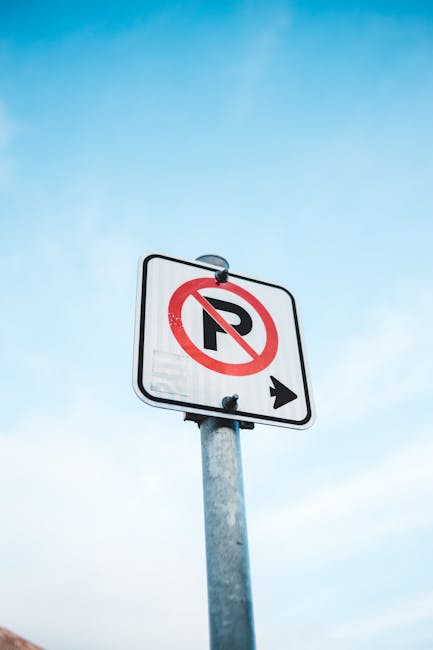
- Not reading the signs properly. Loading allowances, resident bays, and timed restrictions are easy to misread in a rush.
- Leaving permit checks until the last minute. That is a classic moving-day mistake.
- Ignoring the return trip. You may be fine for loading at the old property but struggle at the new one.
- Forgetting about neighbours and shared access. A blocked driveway can create unnecessary tension very quickly.
- Underestimating how long carrying takes. Even a short pavement gap adds up when there are ten trips with heavy boxes.
A quieter mistake, but an important one, is failing to match the move type to the access conditions. For instance, a full house move may need more planning than a small van job, while a single bulky item might need a different approach altogether. If you are weighing up different options, man and van Cowley can be useful for lighter or more flexible moves where parking space is limited.
There is also an obvious but easy-to-miss issue: don't let boxes pile up near the exit. A cramped hallway turns a parking delay into a whole access problem. Suddenly everyone is standing around, and that awkward silence begins.
Tools, Resources and Recommendations
You do not need fancy equipment to manage parking well, but a few simple tools help.
- Phone camera: use it to record signs, bay markings, and access points.
- Notes app or checklist: write down permit details, arrival times, and contact names.
- Measuring tape: useful for confirming whether the van can sit close enough to the property.
- Hi-vis vests or cones: sometimes helpful if a loading area is busy and the team needs to stay visible.
- Printed move plan: still handy when phone batteries are low or signal is patchy.
Recommended preparation usually includes three things: a parking check, a load plan, and a fallback option. That fallback might be a nearby legal bay, a different arrival time, or a smaller vehicle. A little flexibility can save the day.
If your move includes items you do not want to keep, donation and recycling options for removals in Cowley Centre may help you reduce the van load before you even start.
For people who like practical structure, packing and boxes in Cowley can also support the wider move plan. Good packing and good parking work together more than people expect.
Law, Compliance, Standards, or Best Practice
Parking and permits sit within local traffic and access rules, and those can vary by street, bay type, and time of day. Because of that, it is wise to treat every restriction as real until confirmed otherwise. A removal van is not exempt just because it is there for a short time. Loading and unloading may be tolerated in some areas under specific conditions, but that does not mean it is automatically allowed everywhere.
The safest best practice is to:
- check local parking signs carefully;
- avoid blocking driveways, junctions, crossings, or emergency access;
- use loading areas only within the permitted time;
- keep communication open with the property owner, landlord, or building manager;
- plan parking in advance rather than improvising on the day.
Professional removal teams should also work in line with sensible safety practice. That means clear access, careful lifting, and a setup that does not force them to rush across traffic or carry heavy items through unsafe gaps. If you want more context on how a provider approaches safety, the insurance and safety information is worth reviewing before you book.
It is also good practice to keep records of any parking arrangements or approvals you have arranged. You may not need them, but if a question comes up later, they are useful to have. A bit of boring paperwork now can prevent a much less boring conversation later.
Options, Methods, or Comparison Table
Different parking setups suit different kinds of removals. Here is a simple comparison to help you decide what is realistic.
| Option | Best for | Pros | Watch-outs |
|---|---|---|---|
| Driveway or private forecourt | House moves, repeated loading | Closest access, easier control, less risk of conflict | May be too small for larger vans |
| Shared visitor bay | Flats or smaller moves | Often close to the property | Can be occupied, time-limited, or restricted |
| Controlled loading bay | Busy streets and business areas | Designed for short stopping periods | May need checking or temporary arrangements |
| Street parking with restrictions | Carefully planned moves | Can work if rules allow loading | Signs must be read properly, and timing matters |
| Off-street parking nearby | Fallback option | Useful when the immediate space is unavailable | Longer carry distances and slower loading |
There is no single best answer. The right choice depends on the property type, the van size, and how much furniture you are moving. For a small job with a few boxes, a nearby legal parking area may be perfectly fine. For a full house move, you usually want the van as close as possible.
If you are comparing move types and access needs, our pages on house removals in Cowley and office removals in Cowley can help you see how the parking approach changes between domestic and business moves.
Case Study or Real-World Example
Here is a realistic local-style example. A couple moving from a first-floor flat in Cowley had a perfectly good plan for boxes, bedding, and smaller items. What they had not fully accounted for was parking outside the building. The road was busier than expected, and the nearest legal stopping point was farther away than they had hoped. At first, it looked like a minor issue. Then the wardrobe arrived.
The crew adjusted by parking in the nearest suitable legal space and changing the loading order. Smaller boxes came out first, followed by the lighter furniture, then the awkward items once the path had cleared. It worked, but it took longer than necessary. Everyone was a bit sweaty by the end, and there was a lot of walking. Nothing catastrophic. Just avoidable effort.
What would have improved it? Three things:
- checking the street at the same time of day in advance;
- confirming a fallback parking option;
- sharing the flat's access details before the move.
This is the kind of situation where a stronger plan makes a real difference. A small change in parking can save half an hour, sometimes more. And if you are moving a heavier item, such as a piano or a large cabinet, the difference is even more noticeable. For those moves, see piano removals in Cowley and why professional piano help matters.
Practical Checklist
Use this simple checklist the day before your move.
- Check parking signs outside both addresses.
- Confirm whether a permit, suspension, or booking is needed.
- Measure the likely loading distance from van to door.
- Clear bins, bikes, and clutter from hallways and entrances.
- Tell neighbours or building managers about the moving window if needed.
- Share access codes, gate instructions, and entry details with the removal team.
- Prepare a fallback parking plan.
- Keep your phone charged and available on move day.
- Make sure the most essential items are packed first or kept separate.
- Allow extra time for traffic, lifts, or tight stairwells.
Quick takeaway: if you handle parking early, the rest of the move feels lighter. Not easy, perhaps, but lighter. That is usually enough.
Conclusion
Permits and parking rules for Cowley van removals are not the glamorous part of moving, but they are one of the most important. The closer the van can legally and safely get to your property, the smoother the whole day becomes. Less carrying. Less waiting. Less stress. Simple as that.
Whether you are moving a flat, a family home, or an office, the best results usually come from planning the parking before the first box is touched. Check the street, know the restrictions, choose the right vehicle, and keep a backup option in your pocket. That small bit of prep pays off very quickly.
If you would like help planning a move with access, parking, and timing in mind, take a look around the site and choose the option that fits your situation best.
Get a free quote today and see how much you can save.