




Tight access Cowley removals for narrow lanes and courts
Posted on 10/06/2026
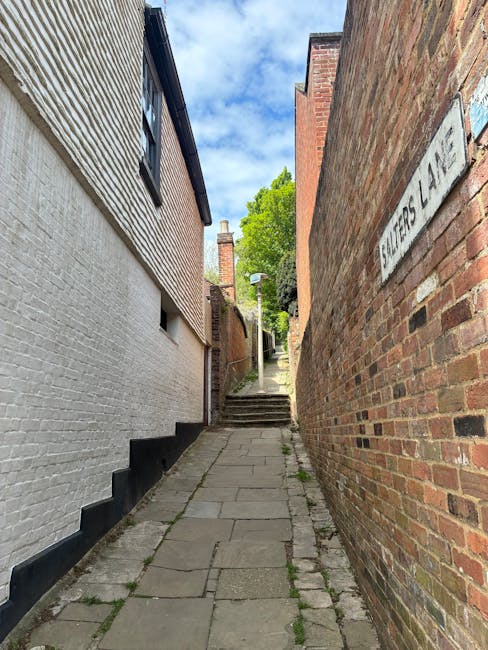
Moving in Cowley can be straightforward until you meet the real challenge: a van that cannot swing in, a lane that feels barely wide enough for a wheelie bin, or a court where turning space is more of a hope than a promise. Tight access Cowley removals for narrow lanes and courts are all about handling those awkward, lived-in streets properly, so your move stays safe, calm, and on schedule. If you are shifting from a flat tucked away behind a terrace, a student house on a cramped road, or a property with a shared courtyard, the details matter. A lot.
In this guide, we will walk through how tight access moves work, what makes them different, and how to prepare without turning the day into a small disaster. You will also find practical checklists, a comparison table, and the kind of real-world advice that helps when the space is tight and the margin for error is tiny. For related planning help, you may also find packing and boxes support in Cowley and local removal services in Cowley useful while you organise the move.
Contents
- Why tight access removals matter
- How the process works
- Key benefits and practical advantages
- Who this is for
- Step-by-step guidance
- Expert tips for better results
- Common mistakes to avoid
- Tools, resources and recommendations
- Law, compliance, standards, or best practice
- Options, methods, or comparison table
- Case study or real-world example
- Practical checklist
- Conclusion
- Frequently asked questions
Why Tight access Cowley removals for narrow lanes and courts Matters
Tight access moves are not just "standard removals but a bit tricky". They change the whole shape of the job. Narrow lanes, courts, shared entrances, and awkward parking can affect how close a van can get, how long carrying takes, and whether larger furniture even fits through the route. In practical terms, a move that should take one careful load may become three or four shorter trips.
That matters for timing, safety, and cost. It also matters for your stress levels. Let's face it, there is enough to think about on moving day without having to reverse a van around a blind corner while someone on a bicycle politely but firmly refuses to wait. A proper tight access plan reduces the faff before it begins.
These properties are often found in older parts of Cowley, tucked-away courts, or terraced streets where the road layout was never designed for modern removal vans. A good plan acknowledges that reality instead of pretending it is a normal driveway job.
Expert summary: if access is tight, the move should be planned around walking distance, turning space, loading position, and the size of each item. Everything else flows from that.
How Tight access Cowley removals for narrow lanes and courts Works
The basic idea is simple: the removal team assesses access in advance, chooses the right vehicle, and works out the safest route for carrying items between property and van. But the practical side is where experience really counts.
A typical tight access move usually involves some mix of the following:
- Checking the lane, court, or entry point before moving day
- Deciding whether a smaller van, a shuttle system, or more carrying distance is needed
- Planning how to protect floors, walls, and door frames in tight passages
- Setting a loading order so the most awkward items go first or last, depending on access
- Using enough people for safe lifting through narrow spaces
- Allowing extra time for careful manoeuvring rather than rushing
In tighter Cowley locations, the "last 20 metres" can be the real challenge. A van may stop on the street while everything is carried through a passage, courtyard, or shared entrance. That is completely normal. What matters is whether the team has planned for it properly.
A good removal service will ask about stairs, width restrictions, parking, and any gates or low arches. If they do not, that is a small warning sign. Not dramatic, just worth noticing.
Key Benefits and Practical Advantages
When tight access removals are handled well, the benefits are very real. You get a safer move, less damage risk, and better control over the day. You also avoid that awkward feeling of discovering a problem only when the van arrives.
- Less risk of property damage: careful planning means fewer scrapes on walls, gates, bannisters, and door surrounds.
- Safer handling of furniture: awkward items are moved with the route in mind, not in a hurry.
- Better time control: knowing the carry distance in advance helps create a realistic schedule.
- Less stress for you: you are not left trying to improvise access solutions at the last minute.
- More suitable vehicle choice: the right van size matters more than people think.
There is also a quieter benefit: confidence. When you know the move has been planned properly, the whole day feels more manageable. Even in a narrow lane with a van idling outside and a pile of boxes waiting, that calm makes a difference.
And if you are weighing up support options, it can help to look at broader services such as man with a van in Cowley or a suitable removal van in Cowley, depending on how much you need to shift.
Who This Is For and When It Makes Sense
This kind of move is for anyone whose property access is genuinely awkward. That could be a top-floor flat down a narrow passage, a house on a court with limited turning room, or a place where parking is restricted and double-yellow lines are doing their usual annoying thing.
It is especially useful for:
- People moving from flats accessed by narrow side alleys
- Residents in courts or mews-style developments
- Student movers with furniture coming out of compact shared housing
- Families in older Cowley streets with tight vehicle access
- Office or small business moves where loading must happen off a restricted frontage
- Anyone with bulky items like sofas, wardrobes, beds, or pianos
Truth be told, if you are wondering whether your property counts as "tight access", it probably does. Most people only realise this once they try to picture a full-size removal van pulling in and immediately, well, no. It is also a good sign to plan early if you expect multiple stop-offs, storage, or furniture that needs disassembly.
For smaller household moves, you might also want to compare options such as house removals in Cowley and flat removals in Cowley, especially if the access issue is tied to stairs or shared entrances.
Step-by-Step Guidance
Here is the cleanest way to approach a tight access move without making it more complicated than it needs to be.
- Measure the access route. Check gate widths, passage widths, turning points, steps, low arches, and the carry distance from property to van.
- Identify problem items. Sofas, mattresses, wardrobes, desks, and pianos tend to cause the most difficulty. Plan them first, not last.
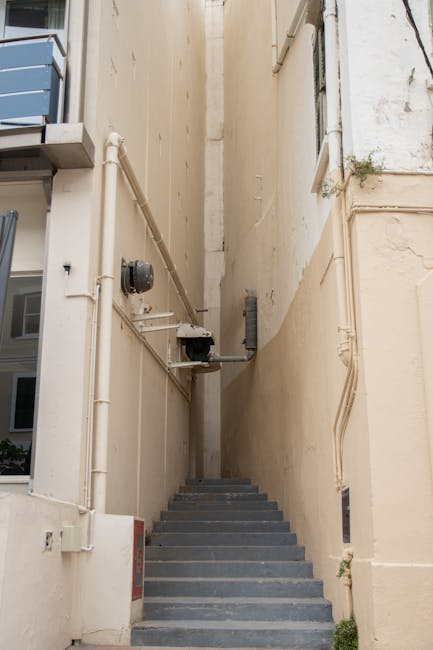
- Clear the route. Move bikes, bins, plant pots, and anything else that narrows the passage. A tiny obstacle can become a surprisingly big one when you are carrying a wardrobe.
- Book the right help. Choose a service that understands narrow lane and court access, not just general removals.
- Decide what is dismantled in advance. Beds, large tables, and some shelving units are often easier to move in parts.
- Pack by carrying order. Put the first-needed boxes where they are easy to reach, but keep the heaviest items stable and well labelled.
- Allow extra time. Tight access rarely rewards rushing. Build in some breathing room.
- Walk the route on the day. Before anything heavy moves, do one last check. It takes two minutes and can save a headache.
If you are still in the packing stage, a useful companion read is simple packing strategies for moving day. That sort of prep becomes even more valuable when every step counts.
Expert Tips for Better Results
A tight access move becomes much easier when you think like a removal crew for a moment. Where will the first corner pinch? Which item is likely to snag? What causes the carry to slow down? Those are the questions that usually matter most.
Here are some practical tips that genuinely help:
- Use smaller, stronger boxes. Big boxes look efficient until they are too heavy to carry cleanly through a narrow passage.
- Label awkward items clearly. "Fragile", "needs dismantling", or "carry upright" can save time later.
- Keep the entrance clear. Shoes, coats, prams, recycling bins, and plants all seem harmless until they cluster into one bottleneck.
- Protect surfaces early. Door edges and bannisters are often the first things to suffer in tight spaces.
- Schedule loading for quieter periods if possible. On a busy morning, a narrow lane can feel twice as narrow.
- Measure furniture before you assume it fits. It sounds obvious, and yet it is often the exact thing that causes the wobble.
A small but important point: if you have items that are delicate, sentimental, or just awkwardly shaped, say so. A remover cannot read the label from across a courtyard, no matter how experienced they are. We have all seen the "that should fit" moment. It rarely does.
For special items, there are topic-specific pages that may help you plan better, such as furniture removals in Cowley and piano removals in Cowley.
Common Mistakes to Avoid
The biggest mistakes are usually not dramatic. They are the little assumptions that quietly create problems.
- Assuming a full-size van can reach the door. In a narrow court, that is often wishful thinking.
- Underestimating carry distance. Twenty extra metres sounds small until you are doing it ten times.
- Leaving access checks until moving day. That is where delays and stress tend to begin.
- Forgetting about parking restrictions. A move can get derailed quickly if the loading position is not planned.
- Overpacking boxes. Heavy boxes are harder to navigate through tight spaces and are more likely to be dropped.
- Not telling the removals team about hidden obstacles. Steps, shared gates, uneven ground, and overhead restrictions all matter.
- Trying to move everything in one rush. Tight access is usually a "slow and steady wins" kind of job.
One more thing. Avoid the temptation to "just wing it". It sounds brave right up until the sofa meets the corner and everyone goes quiet for a second. Not ideal.
If you want to avoid nasty surprises around cost as well as access, the article on avoiding hidden charges with Cowley removal companies is worth a look.
Tools, Resources and Recommendations
You do not need a van full of specialist kit to manage a tight access move, but a few practical tools make life easier.
| Tool / resource | Why it helps | Best use case |
|---|---|---|
| Measuring tape | Checks gates, doors, and routes before the move | Any property with restricted entry |
| Furniture blankets | Helps protect wood, paint, and upholstery from knocks | Carrying through narrow passages or shared halls |
| Ratchet straps or ties | Keeps items secure in transit | When moving several loads from a court to the van |
| Labels and markers | Makes routing and unloading quicker | Multi-room or multi-stop moves |
| Disassembly tools | Helps break down larger items that will not clear tight corners | Beds, desks, wardrobes, shelving |
Other useful planning support can include storage if your access issues are tied to staggered move dates. In that case, storage in Cowley may give you more breathing room, especially if you are working around keys, cleaning, or delayed completion dates. For general move prep, man and van Cowley can be a sensible fit for smaller, more flexible jobs.
Law, Compliance, Standards, or Best Practice
For tight access removals, the practical standard is less about legal drama and more about safe working practice. In the UK, removal work should be carried out with proper attention to lifting safety, access safety, and damage prevention. That means risk-aware planning, suitable numbers of staff, and a sensible approach to manual handling.
Best practice usually includes:
- Checking access conditions before confirming the job
- Using a vehicle that suits the route, not just the volume
- Protecting communal areas and customer property
- Avoiding unsafe lifting or carrying techniques
- Being clear about what the service does and does not include
If there are shared entrances, neighbours, or managed buildings, it also helps to be considerate about timing and noise. A good move is not only efficient; it is respectful. In smaller courts, that really matters. Nobody enjoys a wheelie bin chess match at 7:30 in the morning.
Where insurance matters, make sure the removal provider explains what cover applies and how items are handled. It is also sensible to review general service information such as insurance and safety information and health and safety policy details before booking.
Options, Methods, or Comparison Table
Not every tight access move is handled the same way. The right method depends on the route, the load, and the budget.
| Method | Best for | Pros | Trade-offs |
|---|---|---|---|
| Small van direct load | Access just wide enough for a compact vehicle | Simple, efficient, fewer handovers | Limited capacity |
| Street-side load with carry distance | Narrow lanes or courts with no direct parking | Flexible and often practical | More lifting time required |
| Shuttle loading | When the main van cannot reach the property | Useful for larger moves | Takes extra coordination |
| Partial dismantling of furniture | Bulky items that will not turn corners | Reduces snag risk | Needs planning and tools |
For many Cowley homes, the best answer is not one method, but a sensible mix. A bed might be dismantled, a sofa carried carefully, and boxes moved in smaller runs. That blend often works better than forcing everything into one rigid plan.
Case Study or Real-World Example
Imagine a first-floor flat off a narrow Cowley court. The front access is fine for pedestrians, but the lane is too tight for a large van to sit comfortably at the door. The occupant has a sofa, a bed, a washing basket full of loose items, and about thirty boxes that were packed in a hurry the night before. A classic moving-day puzzle.
The sensible approach would be to park the vehicle where it is legally and safely possible, then carry items down the passage in a planned order. The bed frame is dismantled first, the mattress is wrapped and moved upright, and the sofa is protected before being taken out. Boxes are moved in batches, with heavier ones placed at the bottom of the load. Clear walking space is kept at the court entrance so nobody has to squeeze past with a kettle in one hand and a lamp in the other.
What made the difference here was not speed. It was sequencing. Once the route was understood, the job became manageable. A bit of patience, a bit of organisation, and the kind of quiet coordination that looks unremarkable from the outside but saves a lot of bother.
If the move also involves furniture you want to keep in top condition, articles like expert sofa storage tips and the beginner's guide to moving beds and mattresses can help you avoid avoidable wear.
Practical Checklist
Use this checklist a day or two before the move. It is simple, but it works.
- Measure gates, paths, steps, and any low clearance points
- Check whether a van can stop legally and safely nearby
- Tell the removals team about shared courts, narrow lanes, or restricted access
- Identify any items that need dismantling
- Clear bins, bikes, planters, and other obstacles from the route
- Protect floors and vulnerable corners
- Label boxes clearly, especially heavy or fragile ones
- Keep essential items separate and easy to reach
- Confirm parking and arrival timing
- Plan for a little extra time, just in case
For moves involving decluttering before departure, a helpful read is make your move seamless with expert decluttering advice. And if the move spans a flat or shared building, the page on Cowley removals advice for flats is a handy companion.
Conclusion
Tight access Cowley removals for narrow lanes and courts are really about one thing: turning a difficult route into a manageable move. When you plan the access properly, choose the right vehicle, and give awkward items the respect they deserve, the whole day becomes far less stressful. That is true whether you are moving out of a compact flat, a family home in a narrow street, or a shared court where every turn feels like a small negotiation.
The best results usually come from calm preparation rather than last-minute heroics. Measure early, tell the truth about the access, and keep the route clear. Simple, yes. But simple done well is often what saves the day.
Get a free quote today and see how much you can save.
When you are ready, you can also review the wider service picture on removals in Cowley or read more about the team behind the service on the about us page. Sometimes the best moving day is the one that feels quietly uneventful. Honestly, that is the dream.